


The Anatomy of an Art Nouveau Engagement Ring: Motifs, Metals, and Gemstones
An Art Nouveau engagement ring is a handcrafted antique or antique-inspired ring from roughly 1890 to 1910, defined by asymmetrical whiplash curves, flowing botanical and nature-inspired motifs, and artistic gemstone choices that favor color and glow over carat size alone. The Art Nouveau era emerged as a passionate artistic rebellion against the relentless machinery of the Industrial Revolution. Instead of churned-out, factory-stamped metalwork, master goldsmiths sought refuge in the untamed natural world. They believed jewelry should feel organic and poetic—almost as if it sprouted directly from the forest floor rather than being forged in a workshop.
At the heart of this movement is the famous "whiplash curve"—an asymmetrical, undulating sinuous line that mimics the graceful snap of a vine or the sweep of a flower stem in a gentle breeze. When you explore unique engagement rings from or inspired by this golden age, you notice an immediate departure from sterile geometry. Bands twist into lifelike tendrils, prongs mimic unfurling leaves, and every contour celebrates deliberate, handcrafted movement.
Iconic Nature-Inspired Motifs and Symbolism
Turn-of-the-century jewelers were storytellers. Every blossom, insect, and mythical curve carried deep sentimental meaning, allowing couples to express their love through romantic symbolism:
- Flowering Vines and Tendrils: Signify intertwined lives, unbreakable fidelity, and eternal growth.
- Iris and Orchid Blossoms: Symbolize deep wisdom, regal passion, and rare, unyielding devotion.
- Dragonflies and Butterflies: Represent profound spiritual transformation, rebirth, joy, and the fleeting beauty of life.
- Swans and Peacocks: Convey refined grace, eternal soulmate connections, and majestic loyalty.
- Mythical Creatures and Nymphs: Highlight enchanting folklore, boundless imagination, and otherworldly romance.
- Ivy Leaves: A historic emblem of wedded bliss, enduring affection, and lasting marital attachment.
Gemstone Innovations: From Old European Cuts to Moonstones and Enamel
Art Nouveau master craftsmen challenged the status quo by refusing to judge a gemstone merely by its monetary value. To them, visual artistry, color harmony, and ethereal glow mattered far more than pure diamond carat size.
While antique Old Mine and Old European cut diamonds remained popular centerpieces, jewelers frequently combined them with unconventional, mystical stones. They loved the otherworldly iridescence of cabochon moonstones, the velvety depths of no-heat Ceylon sapphires, the vivid flashes of rare Russian demantoid garnets, and the smooth luster of untreated jadeite jade. If you are comparing classic diamond cuts with historic antique facets, our diamond education guide explains how these hand-cut vintage stones disperse soft, warm candlelight.
Craftsmanship Techniques: Plique-à-Jour and Sculpted Gold
The metalwork of this era stands out for its three-dimensional, sculptural depth. Artisans hand-carved rich 18-karat and 14-karat yellow gold into bas-relief botanical arrangements. As platinum became more workable at the turn of the century, craftsmen also introduced subtle platinum top plates to set stones securely without distracting from their radiance.
Perhaps the most breathtaking innovation was plique-à-jour—a demanding enameling technique where translucent glass paste is suspended across open metal wirework without a backing. When finished, the enamel resembles a miniature stained-glass window, allowing natural sunlight to pour through dragonfly wings and delicate flower petals. Because genuine antique enamel requires exceptional care, finding surviving pieces with pristine glasswork is a rare treat for fine jewelry collectors.
Art Nouveau vs. Victorian and Art Deco Eras
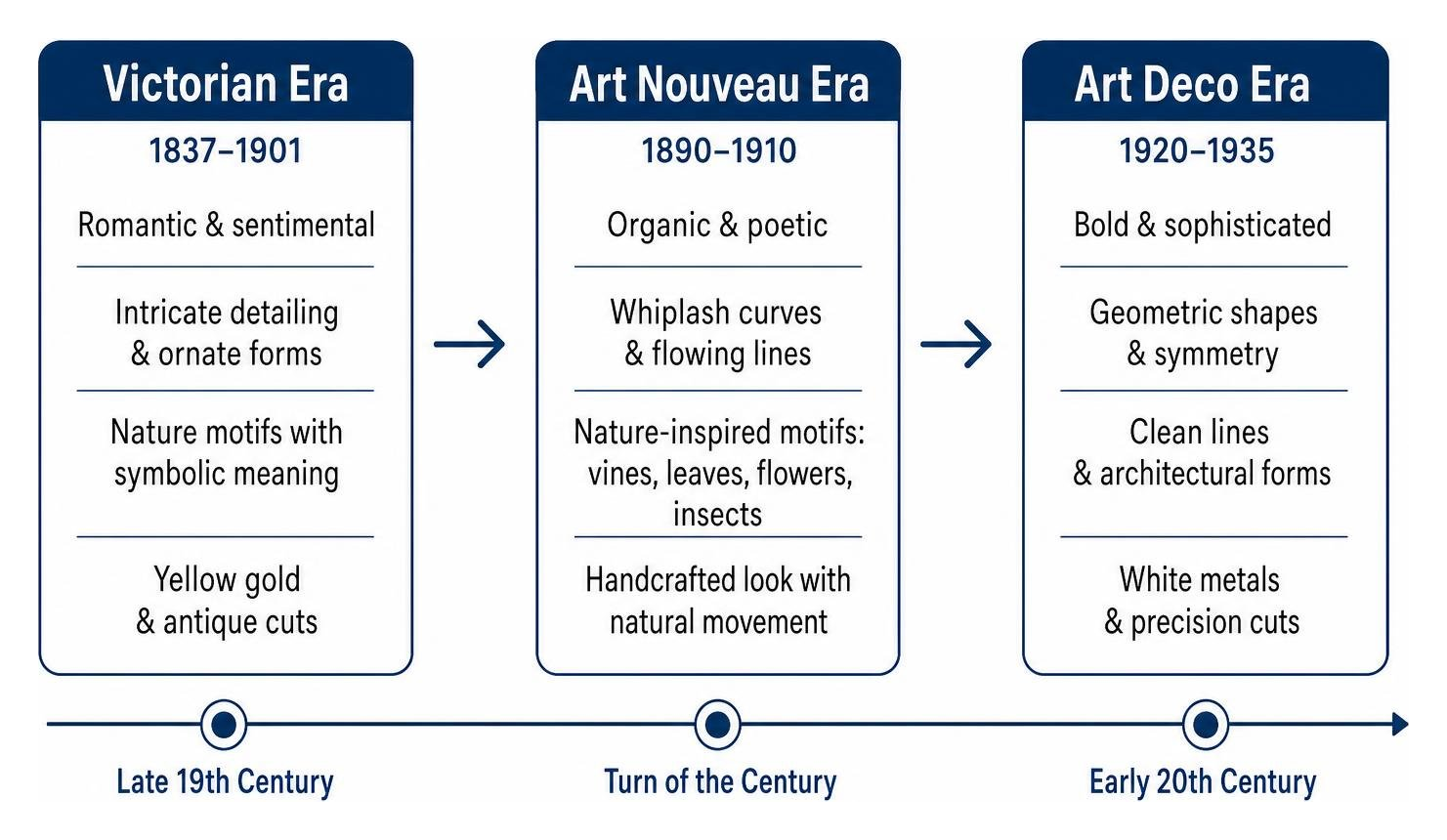
To truly appreciate an Art Nouveau ring, it helps to understand its place between the sentimental grandeur of the Victorian era and the sharp, geometric modernism of Art Deco.
| Jewelry Era | Primary Aesthetic & Motifs | Key Materials & Gemstones | Defining Philosophy |
|---|---|---|---|
| Victorian (1837–1901) | Romantic sentimentality, snakes, hearts, clusters, floral halos, heavy mourning jewelry. | Yellow gold, rose gold, silver-topped gold, Old Mine diamonds, seed pearls, jet, turquoise. | Symbolism, imperial grandeur, and Queen Victoria's personal life milestones. |
| Art Nouveau (1890–1910) | Asymmetrical whiplash curves, botanicals, dragonflies, water nymphs, organic flowing lines. | 18k/14k yellow gold, platinum accents, enamel (plique-à-jour), moonstones, sapphires, jade, opal. | Fine art over raw material wealth; poetic rebellion against machine-made goods. |
| Art Deco (1915–1935) | Strict geometric symmetry, architectural chevrons, step cuts, sharp linear outlines. | Solid platinum, white gold, baguette diamonds, calibrate-cut emeralds, sapphires, rubies. | Machine-age modernism, industrial progress, architectural excitement, and jazz culture. |
Historical Design Influences, Benchmarks, and Value Factors
The Art Nouveau aesthetic was heavily shaped by Japonisme—the Western fascination with Japanese woodblock prints and nature-centric minimalism following the opening of Japan's trade borders. Visionary period designers of the era transformed fine jewelry into museum-caliber sculpture, elevating botanical forms and flowing lines into wearable art.
Because genuine Art Nouveau pieces were meticulously handcrafted in relatively short supply between 1890 and 1910, authentic antique survivals command exceptional value at international auctions and premier estate sales.
Provenance and Historical Benchmark Valuations
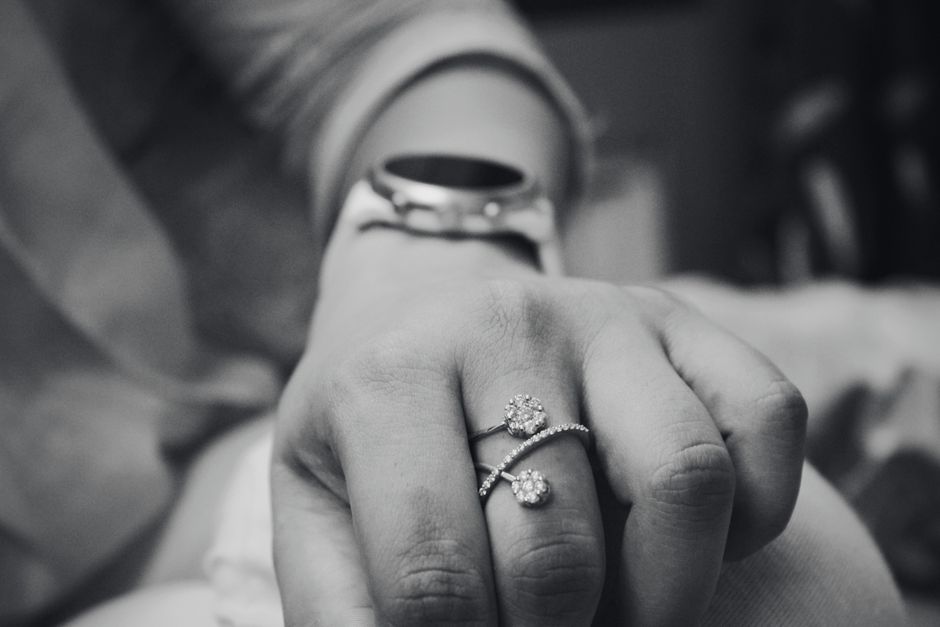
Value in the Art Nouveau market depends heavily on condition, provenance, and the rarity of the materials:
- Benchmark Diamond Estate Pieces: An authentic Art Nouveau diamond ring from circa 1900 featuring 32 old-cut diamonds totaling around 3.00 carats in a sculpted crossover bypass design commands prices around £19,500.
- Signed Designer Masterpieces: A certified museum-quality period iris ring decorated with fine enamel, demantoid garnets, and sapphires commands roughly $18,750, while exceptional signed showpieces featuring carved horn and plique-à-jour enamel have surpassed $345,000 to $375,000 at auction.
- Unsigned Fine Period Rings: Beautiful unsigned botanical rings featuring unheated sapphires or carved gold flora generally range from $3,500 to $15,000, while simpler turn-of-the-century gold bands start near $800 to $2,000.
Buying, Customizing, and Caring for Botanical Antique Rings
Whether you are searching for a century-old heirloom or looking to create a fresh piece that captures the same turn-of-the-century spirit, keeping everyday wearability in mind is essential. If you adore the charm of historic metalwork, browsing curated vintage engagement rings is the perfect place to start your journey.
Sourcing an Authentic Art Nouveau Engagement Ring
When shopping for an original antique ring, keep these practical tips in mind:
- Examine the Solder and Mount: Turn-of-the-century rings were made by hand. Look for delicate, smooth craftsmanship rather than crude modern cast seams.
- Inspect the Enamel: Chips, cracks, and patch repairs under a jeweler’s loupe can dramatically alter an antique's value and longevity.
- Check Prong and Claw Wear: Over 120 years of wear can thin delicate prongs. Have an experienced bench jeweler verify that the stones are sitting securely.
- Demand Independent Certification: Ensure colored stones and vintage diamonds are accompanied by reputable laboratory reports (such as GIA) to confirm their natural origin and treatment status.
Designing a Custom Art Nouveau Engagement Ring
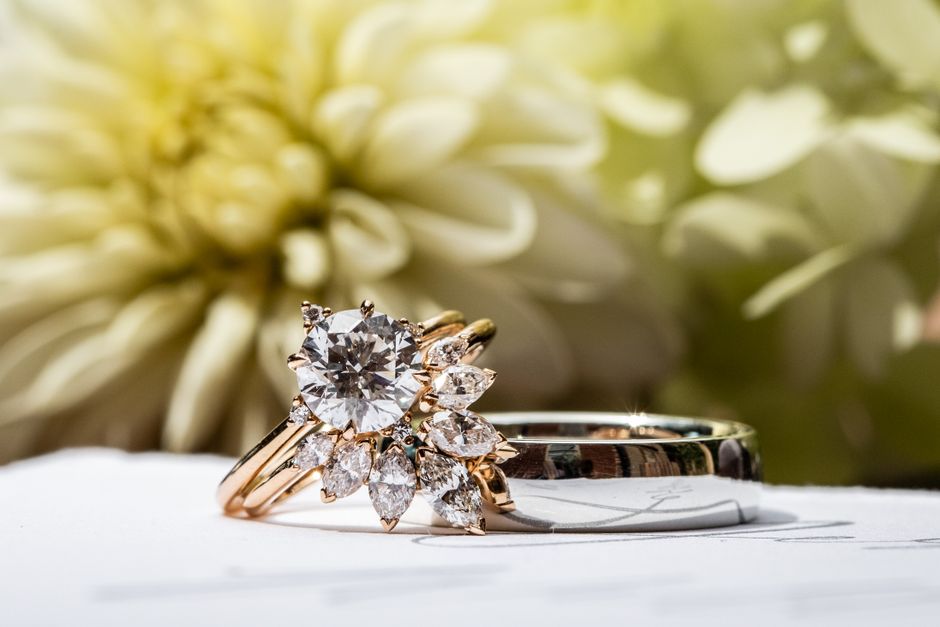
Many brides love the organic romance of Art Nouveau, but prefer a ring built for modern durability and an active lifestyle. Crafting a bespoke design allows you to pair graceful, flowing vine motifs with resilient modern metals and certified diamonds.
Through our premier custom jewelry in San Jose workshop, we combine antique hand-carving techniques with cutting-edge 3D CAD modeling. You can select your dream center stone, sculpt custom leaf prongs, and explore tailored custom design features that celebrate turn-of-the-century artistry with everyday durability.
Essential Care and Maintenance for Antique Settings
Because turn-of-the-century rings often feature delicate metal reliefs, antique open-back settings, or glass enamel, they require thoughtful everyday care:
- Skip the Ultrasonic Cleaner: Ultrasonic vibrations can shatter fragile plique-à-jour enamel and loosen century-old gem pavé.
- Clean with Mild Soap: Clean your ring gently using warm water, mild dish soap, and an extra-soft baby toothbrush.
- Remove During Heavy Tasks: Take off your ring before gym workouts, gardening, swimming, or handling domestic cleaning chemicals.
- Annual Checkups: Bring your heirloom to a trusted jeweler once a year for gentle cleaning, ultrasonic-free inspection, and prong retipping.
Frequently Asked Questions About Art Nouveau Rings
What defines an authentic Art Nouveau engagement ring?
An authentic Art Nouveau ring dates between approximately 1890 and 1910. It is defined by handcrafted asymmetry, sinuous "whiplash" curves, nature-inspired subjects (such as water lilies, orchids, dragonflies, and vines), sculpted 14k/18k gold, and often incorporates unique gemstones like moonstones, tourmalines, and fine glass enamel work.
How do Art Nouveau rings differ from Art Deco styles?
Art Nouveau is soft, fluid, asymmetrical, and deeply rooted in botanical naturalism. In direct contrast, Art Deco (1915–1935) embraces bold geometric patterns, symmetrical step cuts, sharp architectural lines, and the streamlined, machine-age aesthetic of the roaring twenties.
Are Art Nouveau rings suitable for everyday engagement wear?
Original antique Art Nouveau rings with delicate enamel or softer gems (like moonstones or opals) require extra care and are best suited for mindful wear. However, diamond- and sapphire-set rings in solid gold are very durable. If you want worry-free daily wear, creating a custom Art Nouveau-inspired ring using platinum or gold with secure bezel or low-profile prong settings gives you the antique look with modern strength.
Conclusion
Turn-of-the-century Art Nouveau jewelry captures an enduring sense of poetry, nature, and romance that modern mass-produced rings simply cannot match. Whether you fall in love with an authentic antique ring or choose to commission a bespoke design featuring hand-carved floral vines, you are wearing a piece of living art.
At Geoffrey’s Diamonds Campbell, we bring more than forty years of bench jewelry experience, full-service restoration, and a lifetime craftsmanship warranty to every love story. We invite you to explore our wider collection of engagement rings or schedule an in-person design consultation with our master jewelers today.